Title: Night Watch
(Discworld #29)
Author: Terry Pratchett
Year: 2002
Country: UK
Format: Hardback
Pages: 475
Read: 21-30 December 2025
Reread
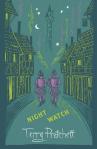
Night Watch is the twenty-ninth Discworld book, and the sixth starring Sam Vimes and the Ankh Morpork City Watch. Vimes is on the trail of Carcer, a vicious and unrepentant killer, when a freak accident transports them both back in time. Vimes finds himself stuck in the Ankh-Morpork of his youth, right as the Glorious Revolution of the Twenty-Fifth of May is about to kick off. But Vimes and Carcer’s arrival has changed history: John Keel, the man Vimes once knew as his mentor, is dead before his time. Vimes is forced to take Keel’s place and mentor his younger self, at least long enough for the History Monks to patch up history and send him back to the future.
‘I mean, doesn’t it change history even if you just tread on an ant?’
‘For the ant, certainly,’ said Qu.
This is certainly one of the most dramatic Discworld books. Pratchett’s work is never completely devoid of humour, but in Night Watch the scales are tipped more towards tension, drama, and righteous anger. Pratchett incorporates themes of civil unrest, police brutality and torture, social inequality, nostalgia, grief, and corrupt politics, all within the framework of a fantastical time travel romp. It’s definitely Pratchett at the height of his powers.
‘They attacked the other Houses, and what’s the Night Watch ever done to hurt them?’
‘Nothing,’ said Vimes.
‘There you are, then.’
‘I mean the Watch did nothing, and that’s what hurt them,’ said Vimes.
In fact, Night Watch seems to have a reputation among my fellow Terryvangelists as The Best Discworld Book. When I first read it, my expectations were high—perhaps too high, so I ended up faintly disappointed. But even then, I had a feeling it would improve on rereading. And it did! This time round, I absolutely loved it. This is a powerful book with a lot to say, and it manages to say it between—or sometimes with—silly puns and dirty jokes. Well, if it’s good enough for Shakespeare…
And the foreshadowing was much more effective when, like the older and wiser Vimes, I already understood the full significance of the Twenty-Fifth of May and its lilacs.
How do they rise up?


 A Genteel Black Hole
Leave a reply to Ally Cancel reply