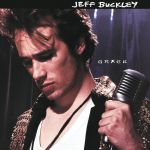
Back in the days when I was a teenager, I had a limited music collection. This was before streaming services made practically all recorded music available at the tap of a touchscreen. Back then I could either listen to the radio (which I rarely did), or to one of my select number of CDs. My choices were limited even further when I left the house. Anywhere I went, I took my Walkman with me in a carry case; it had wallet space for a dozen discs. With such limitations, I ended up playing certain albums repeatedly: The Bends, Siamese Dream, Electro-Shock Blues, Grace, etc. I got to know them intimately.
Now I’ve been collecting music for almost three decades. I’ve never taken a full inventory (far too daunting a prospect!) but, between CDs and digital downloads, I must have in excess of a thousand albums. And I have a portable digital music player that can hold every one of those albums. My entire, carefully curated collection at my fingertips, in lossless audio quality. My teenage self would drool at the thought!
With such an accumulated collection to hand, over the past few years I’ve fallen into a habit of listening to sequences of albums. I make a chronological list of everything I own by an artist (or in a given category) and work through it in order. It’s a great way to get an overview of the development of an artist or sub-genre, and it encourages me to revisit music I had been neglecting. But I play each album once and move onto the next. It’s an enjoyable method, but it doesn’t encourage deep listening.
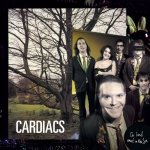
And deep listening is important. Some of my favourite albums weren’t instant hits for me. I wasn’t sure what to think of Cardiacs or Shudder to Think when I first heard them. But something kept me returning to their music, and eventually On Land and in the Sea and Pony Express Record became two of my favourite albums. If I had discovered them more recently, would that still be the case? I, ahem, shudder to think.
So recently I’ve gone back to the listening style of my teenage years. Instead of playing a new purchase just once and moving on, I will keep the best ones in rotation. Some albums take time and repetition to grow on a listener. As Adam Neely repeatedly says: Repetition Legitimises.
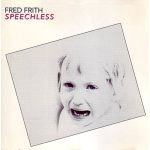
The biggest beneficiary so far of my return to deep listening is Speechless, a 1981 album by Fred Frith. It’s a strange, experimental album which mixes folk music with prog, No Wave, noise, and tape manipulation. When I first played it, I thought to myself, “This is probably really good… but I’d have to give it more spins to love it.” How right I was! Now I keep returning to Speechless, and it gets better every time.
I wonder what other music is waiting to get its hooks into me if I would only give it the chance. I’m excited to find out.