Tag: Ursula K. Le Guin

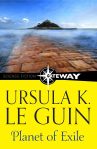
  • Title: Planet of Exile
    (Hainish #2)
    Author: Ursula K. Le Guin
    Year: 1966
    Country: USA

    Format: Paperback
    Pages: 100
    Read: 1 – 5 February 2026
    Reread

    My Hainish series read-through continues with Planet of Exile, first published in 1966—the same year as its predecessor, Rocannon’s World. (You can read my review of Rocannon’s World here.)

    The story takes place on Werel, a planet with a decades-long season cycle. Jakob Agat leads a group of human colonists who, centuries ago, were exiled to Werel by the League of All Worlds. Jakob and his people, despite having never seen their long-forgotten homeworld, remain staunchly separate from the local indigenous tribe, the primitive Tevarans. As a harsh, fifteen-year winter approaches—bringing with it a horde of ruthless nomadic warriors called the Gaal—cooperation between human and Tevaran camps may be their only chance of survival. But things are complicated when Jakob breaks taboo with Rolery, daughter of the Tevaran chief.

    Planet of Exile, while not yet Peak Le Guin, is a marked improvement from Rocannon’s World. Both books attempt to blend sci-fi and fantasy, but the second book succeeds where the first fails. My friend Pat (Book Chat With Pat) shared a quote in our Hainish group chat where Le Guin describes her debut novel with a colour analogy: If sci-fi is blue and fantasy is red, Rocannon’s World is purple. I would argue that Rocannon’s World doesn’t successfully blend its colours; it’s a book of blue and red stripes, awkwardly clashing. Planet of Exile, on the other hand, is properly purple.

    Le Guin’s prose here is more focused and more evocative than in her debut. The cast of characters is also more streamlined—there are just three races to keep track of, and the tension between human and Tevaran tribes is made tangible by the star-crossed romance of Jakob and Rolery. I sincerely enjoyed Planet of Exile. And it’s exciting to see Le Guin’s progression as a writer, especially knowing just how much farther she would go from here.

    The group reading experience, hosted by Gareth (Books Songs and Other Magic) also continues to delight. These past two months we’ve had some fascinating discussions, and I’m eager to continue them as we work through the rest of the Hainish series together.

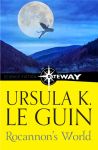
  • Title: Rocannon’s World
    (Hainish #1)
    Author: Ursula K. Le Guin
    Year: 1966
    Country: USA

    Format: Paperback
    Pages: 112
    Read: 11 – 18 January 2026
    Reread

    Rocannon’s World is Ursula K. Le Guin’s debut novel and the first in her loosely-connected Hainish series. It follows Gaveral Rocannon, an ethnographer for the League of All Worlds. When anti-League rebels attack and destroy his ship, Rocannon is stranded on the alien planet of Fomalhaut II. The planet is home to multiple intelligent (but technologically primitive) species, each with their own unique social structures and customs. Rocannon, aided by a diverse group of Fomalhaut natives, goes on a dangerous quest to contact the League and end the rebellion.

    Rocannon’s World is ostensibly a sci-fi novel, but the whole thing is steeped in fantasy. Rocannon comes from a hi-tech world of interstellar travel, ansible communication, and weapons of mass destruction; but he’s stuck on a planet of feudal lords and heroic quests. I’m not opposed to such a blend of genres, but I don’t think Le Guin quite pulls it off here. The book establishes many of her enduring themes, but with little of her best work’s profundity or poetic brilliance. It didn’t take her too long to hone her skills, but Rocannon’s World is very much A First Attempt. As an established fan, I enjoyed it the same way I enjoy listening to early demos by my favourite bands: It’s interesting in context, but I wouldn’t recommend it for first-time readers of Le Guin.

    My favourite part of the book is the prologue, which was first published as a separate short story. In fact the story, Semley’s Necklace, was included in Le Guin’s anthology The Wind’s Twelve Quarters, which I read just a few months ago. It was fascinating to read the story both as its own thing and the introduction to a longer work. That gave me some insight into Le Guin’s creative process—glimpsing the seeds from which she grew an entire universe.

    I read Rocannon’s World as part of a group reading project led by my BookTube friend Gareth (Books Songs and Other Magic). We’ll be reading all of Le Guin’s Hainish books during the year, discussing them in the group chat as we go. It’s been a great experience so far—my fellow readers have shared some valuable insights into the book and Le Guin’s career as a whole. Gareth also plans to host live-chat videos about each book, so be sure to tune your ansible devices accordingly!

  • It’s that time of year when I fall down the Rabbit Hole of Introspection. Okay, maybe that’s just where I live! But at least the new year gives some structure to my musings.

    It’s been a strange year in a lot of ways. I started 2025 with a lot of big ambitions to read big books—chunky classics like David Copperfield and Anna Karenina… both of which I ended up DNFing! Not because I disliked them, I hasten to add. They both seemed great. But I didn’t approach them with the focus and dedication such hefy tomes demand. Seduced by other books, I let Dickens and Tolstoy linger on the shelf, unread, for so long that I lost motivation to pick them up again. If I do attempt either of them again, I’ll have to go back to the start.

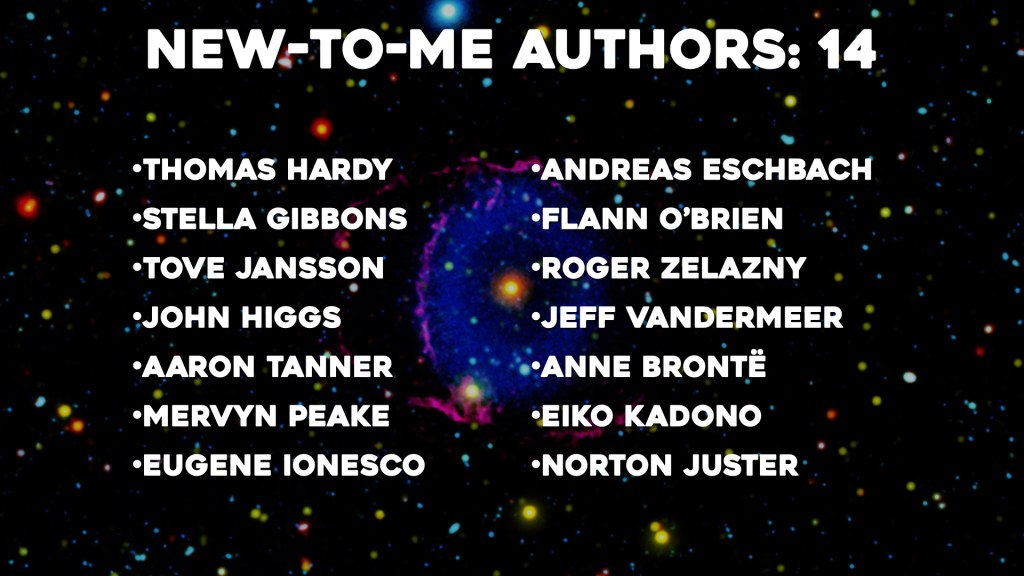
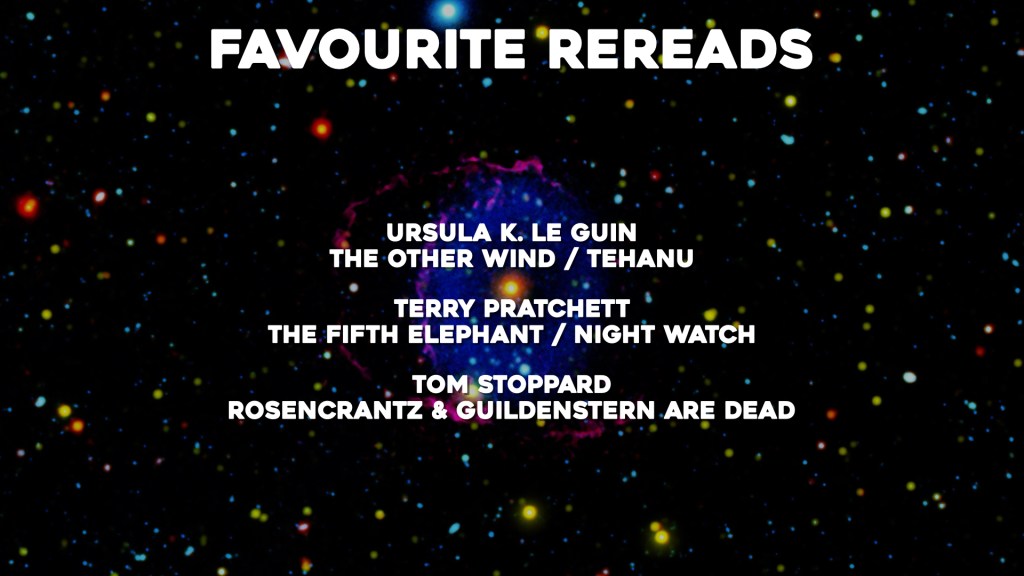
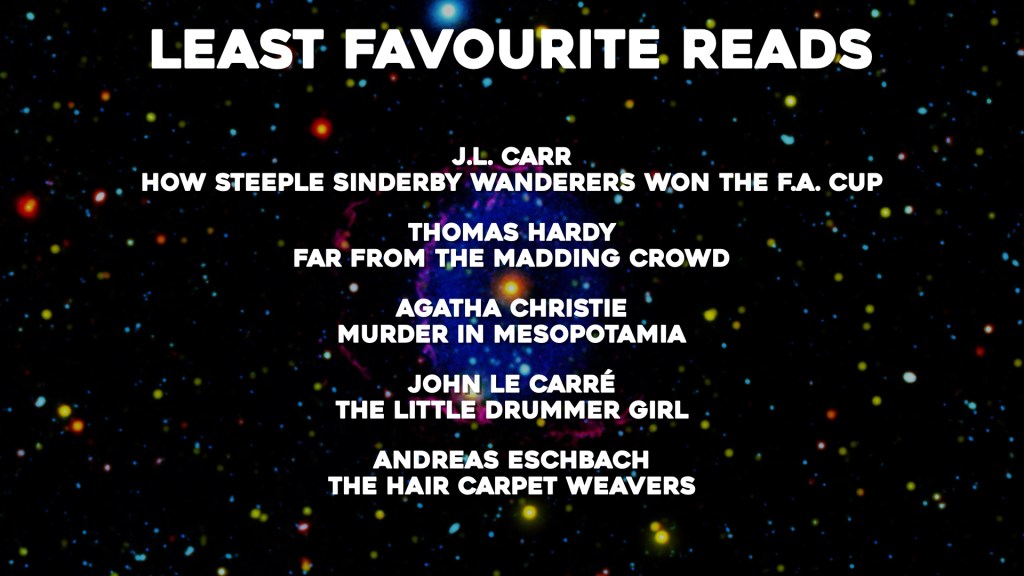
    In fact I had bad luck with ‘classics’ in general. My first experience of Thomas Hardy was not a happy one! My first Anne Brontë, Agnes Grey, was… just fine. And worst of all, I ended up losing interest and DNFing A Passage to India. I had really hoped to enjoy that one, considering E.M Forster’s A Room with a View was my favourite read of 2024. Very disappointing!

    I struggled with my health, both mental and physical, through much of summer and into autumn. Long story short: My GP recommended some iron and vitamin supplements, which are slowly improving my energy levels. And I will soon be starting therapy to see if I can get my wonky brain back in shape too. Anyway, these issues evidently affected my reading, both in terms of how many books I read and how much I enjoyed them.

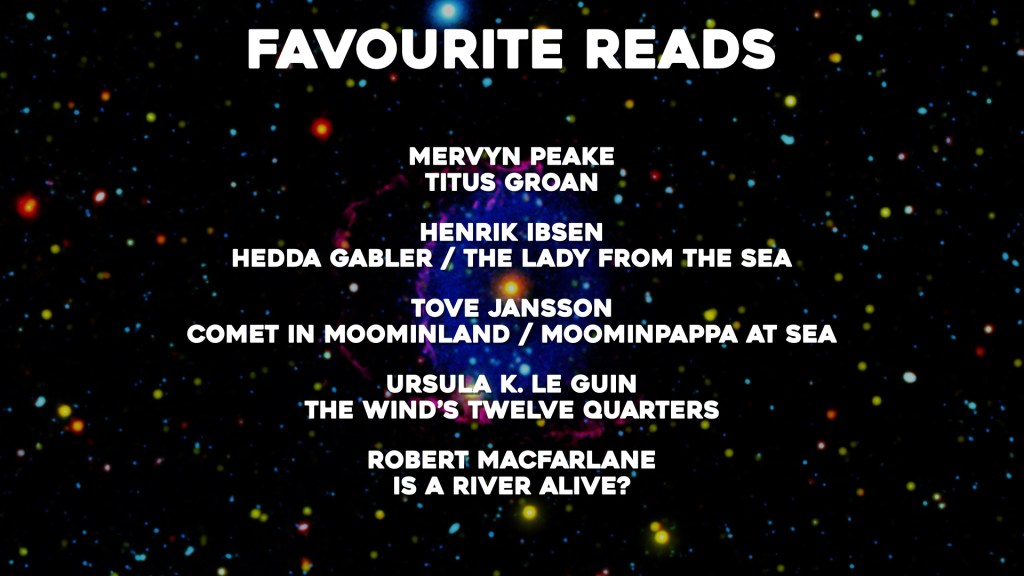
    But it’s not all doom and gloom! After accepting that chunky classic novels weren’t working for me, I pivoted towards shorter books. I read a lot of classic plays, falling deeper in love with the work of Henrik Ibsen. I also reignited my dormant love of sci-fi, reading excellent short story collections by Ursula K. Le Guin and Roger Zelazny. And I read plenty of delightful children’s fiction, falling deeply in love with Tove Jansson’s Moomins.

    Terry Pratchett remains my most reliable go-to author. I’ve had a great time going through the Discworld series in order. Most of those books are rereads for me. In fact I’ve filled in almost all the gaps now: I’ve read 40 of the 41 Discworld books. All that remains is the final book, The Shepherd’s Crown, which I’ll probably get to in 2027 at this rate. I plan to take my time and enjoy the journey.

    I also finished rereading Le Guin’s Earthsea series, which I can now confidently say is my favourite fantasy series ever. My admiration for Le Guin continues to grow all the time. I’m excited to explore more of her work outside of Earthsea.

    And one chunky book that didn’t let me down was Mervyn Peake’s Titus Groan. That book was a revelation. A bizarre, bewitching fictional world described in such obsessive detail, it felt more like visiting in person than merely reading about it.

    December saw a big uptick in my reading. I recently bought a phone-sized e-reader, which allows me to read comfortably while lying down at bedtime. It’s much less overstimulating than my actual phone, so bedtime reading has become a viable option again. I mostly read children’s books at night. It’s a good way to unwind at the end of the day. But whatever my bedtime read is, it’s helpful to have that extra variety in my book diet. (Watching more films in 2025 also helped with that. Whatever I’m not getting from my morning read, I can supplement with films, short stories, and bedtime books.) This past month I feel like I’ve enjoyed more of what I read, and I’m feeling optimistic about the year ahead.

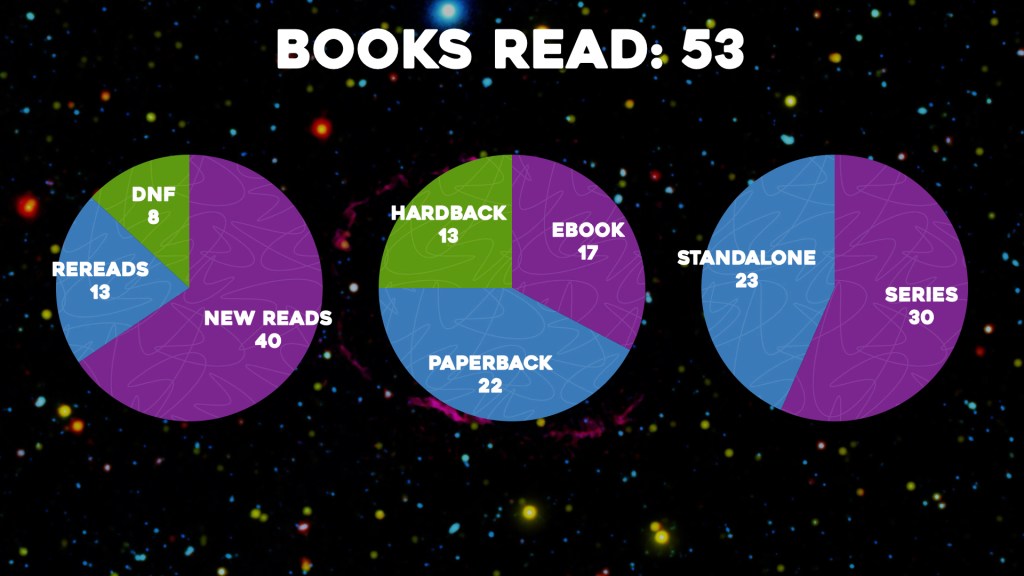
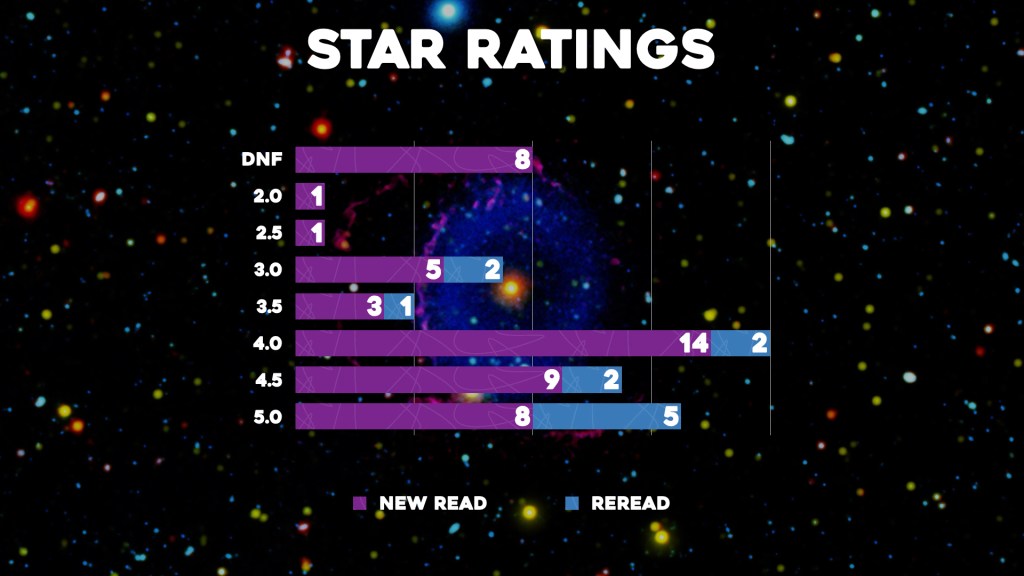
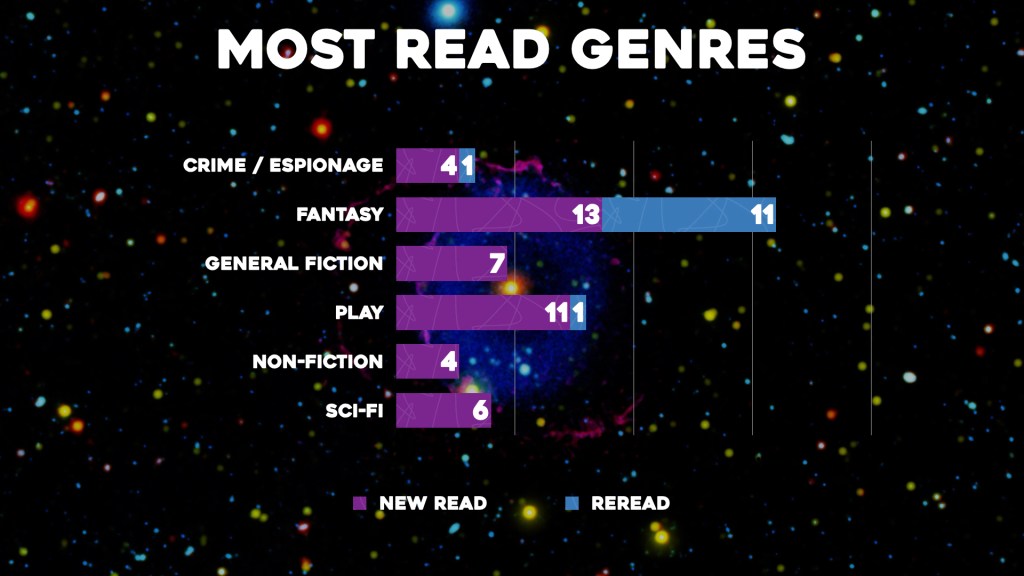
    And now—drum roll please—it’s time for graphs, charts, and lists!